The most common reason a car will not start is a dead or weak battery. Battery issues account for about 40% of no-start problems. Other common causes include a bad starter motor, failed alternator, fuel delivery problems, and corroded battery connections. If you hear clicking when you turn the key, start by testing or replacing the battery.
A car that will not start can leave you stranded and frustrated. The good news is that most no-start problems have simple causes that are easy to diagnose. This guide ranks the 10 most common reasons a car will not start, from most likely to least likely, so you can quickly identify the problem.
10 Reasons Your Car Won't Start (Ranked by Likelihood)
Here are the most common causes of a car that will not start, based on repair data from thousands of vehicles:
1 Dead or Weak Battery
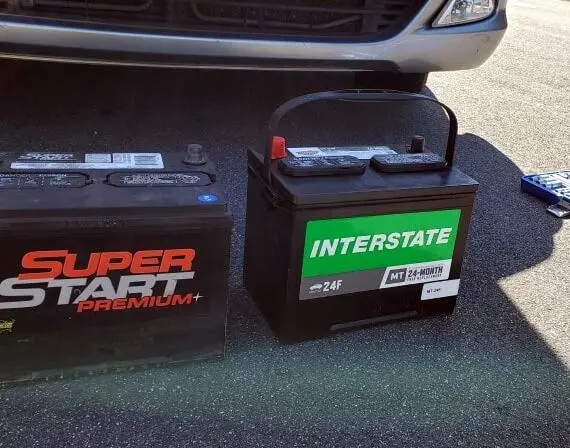
Likelihood: 40% of all no-start problems. The battery is the most common reason a car will not start. Batteries fail after 3 to 5 years, and cold weather or leaving lights on can drain them faster. Signs include slow cranking, clicking sounds, or no response at all when you turn the key. A jump start will get you going temporarily, but the battery likely needs replacing.
2 Corroded or Loose Battery Connections
Likelihood: 15% of no-start problems. Even a good battery cannot start your car if the connections are corroded or loose. White or green buildup on battery terminals prevents electricity from flowing. Cleaning the terminals with a wire brush and baking soda often fixes the problem instantly. Tighten any loose connections and apply anti-corrosion spray.
3 Bad Starter Motor
Likelihood: 12% of no-start problems. The starter motor turns your engine over when you turn the key. A failing starter makes a single loud click or grinding noise. Starters typically last 100,000 to 150,000 miles. Sometimes tapping the starter with a hammer gets it working one more time, but replacement is needed. Starter replacement costs $300 to $600.
4 Failed Alternator
Likelihood: 10% of no-start problems. The alternator charges your battery while the engine runs. When it fails, the battery slowly drains and eventually cannot start the car. Warning signs include dim headlights, a battery warning light, and needing frequent jump starts. A new alternator costs $400 to $700 installed.
5 Out of Fuel or Fuel Delivery Problem
Likelihood: 8% of no-start problems. Running out of gas is more common than people admit. If the gauge shows fuel, the problem may be a failed fuel pump, clogged fuel filter, or bad fuel injectors. The engine will crank normally but will not start. Turn the key to the on position and listen for a humming sound from the fuel pump. No sound suggests a fuel pump failure.
6 Faulty Ignition Switch
Likelihood: 5% of no-start problems. The ignition switch sends power to the starter and other systems when you turn the key. A failing ignition switch may work intermittently or not at all. Signs include no response when turning the key, accessories that do not work, or a car that starts only after jiggling the key. Replacement costs $150 to $350.
7 Security System Malfunction
Likelihood: 4% of no-start problems. Modern cars have anti-theft systems that can prevent starting if they malfunction. The security light on the dashboard may flash or stay on. Common causes include a weak key fob battery, damaged key chip, or glitchy security module. Try using a spare key or replacing the key fob battery first.
8 Bad Spark Plugs or Ignition Coils
Likelihood: 3% of no-start problems. Worn spark plugs or failed ignition coils prevent the engine from firing. The engine will crank but not start, and there may be a strong fuel smell from unburned gas. Spark plugs should be replaced every 30,000 to 100,000 miles depending on type. Coil replacement costs $150 to $300 per coil.
9 Clogged Air Filter
Likelihood: 2% of no-start problems. A severely clogged air filter restricts airflow and can prevent starting, though this is rare. More often, a dirty filter causes hard starting and poor performance rather than a complete no-start. Checking and replacing the air filter is easy and costs $15 to $50 for the part.
10 Timing Belt or Chain Failure
Likelihood: 1% of no-start problems. If the timing belt or chain breaks, the engine cannot run. This is less common but serious. Signs include a ticking noise before failure, or the engine suddenly stopping while driving. Timing belt replacement costs $500 to $1,000, and failure in an interference engine can cause major engine damage.
Think It's Your Battery?
We offer free battery testing and same-day replacement in Sioux Falls and Omaha. No appointment needed.
Follow this quick diagnostic process to narrow down the problem:
What Happens When You Turn the Key
Most Likely Cause
What to Do
Nothing at all, no lights or sounds
Dead battery or loose connection
Check battery connections, try jump start
Lights work but rapid clicking
Weak battery
Charge or replace battery
Single loud click
Bad starter motor or solenoid
Test starter, likely needs replacement
Engine cranks but won't fire
Fuel or ignition problem
Check fuel pump, spark plugs, coils
Engine cranks slowly
Weak battery or bad starter
Test battery first, then starter
Grinding noise when starting
Bad starter or flywheel damage
Stop trying to start, have it towed
What to Do If You're Stranded
If your car will not start and you are stranded, follow these steps:
Try a jump start. If you have jumper cables and another vehicle, a jump start is the fastest solution for battery problems. Let the car run for at least 20 minutes to recharge the battery.
Check basic issues. Make sure the car is in park (or neutral for manual), the steering wheel is not locked, and the key fob battery is not dead.
Call for roadside assistance. If jump starting does not work, call your insurance company's roadside assistance or a towing service.
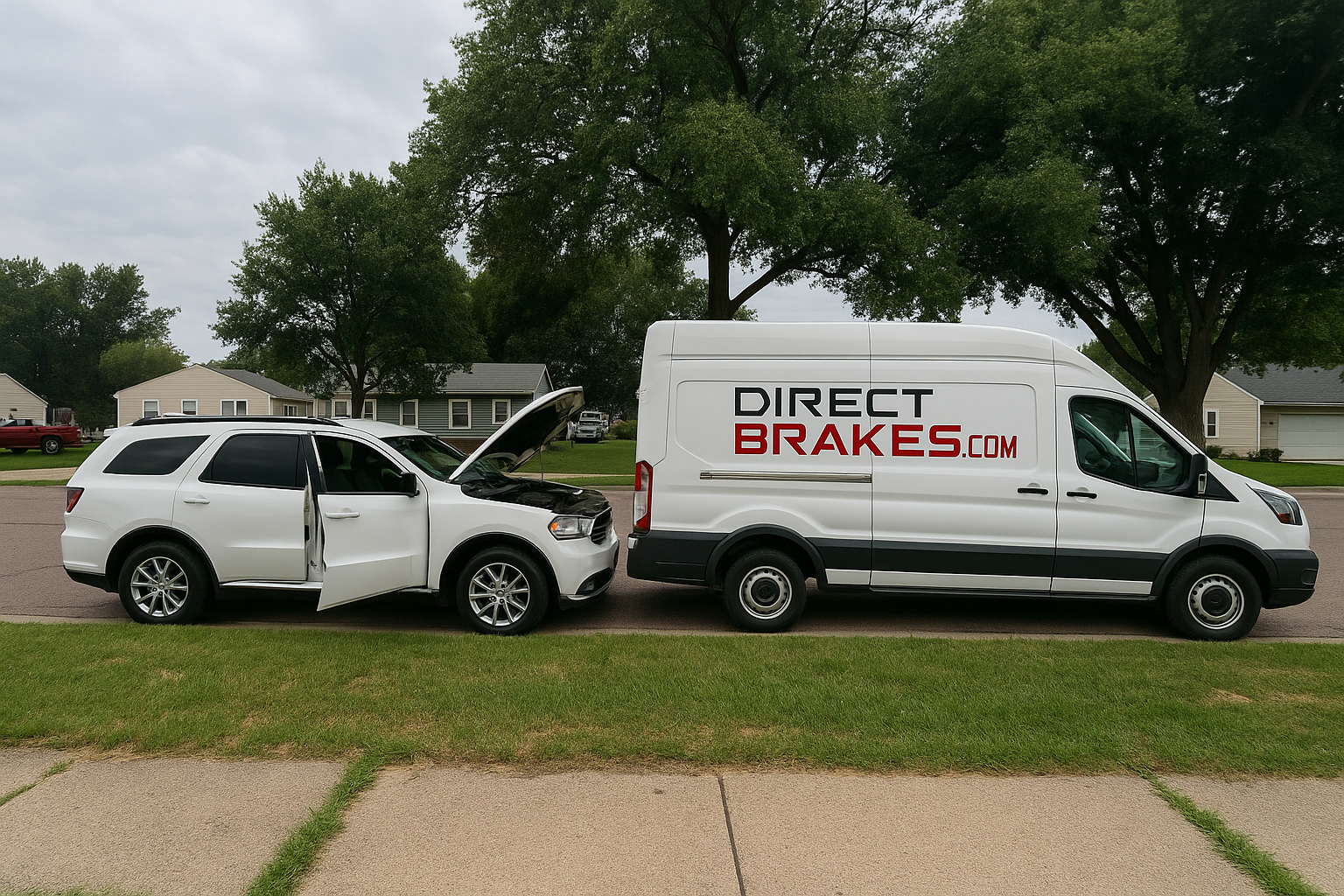
Consider mobile repair. For battery issues, mobile mechanics like Direct Brakes can come to your location and replace the battery on the spot, no tow required.
Cost to Fix a Car That Won't Start
Here is what you can expect to pay for the most common no-start repairs:
Repair
Parts
Labor
Total
Battery replacement
$100 to $280
$0 to $50
$159 to $325
Terminal cleaning
$5 to $15
$20 to $50
$25 to $65
Starter replacement
$150 to $400
$100 to $200
$300 to $600
Alternator replacement
$200 to $400
$100 to $250
$400 to $700
Fuel pump replacement
$250 to $500
$200 to $400
$500 to $800
Ignition switch replacement
$50 to $150
$100 to $200
$150 to $350
Getting a proper diagnosis before replacing parts prevents wasting money on unnecessary repairs. Many shops charge $50 to $100 for diagnostic testing, which is worth it for complex problems.
Get Your Car Running Again
If your car will not start, the most likely fix is a new battery. Direct Brakes offers same-day mobile battery replacement in Sioux Falls and Omaha. We bring a new battery to your driveway, parking lot, or anywhere your vehicle is stuck, and install it on the spot. No tow truck needed.
Before we replace anything, we run a free load test and voltage check to confirm the battery is the problem. If your alternator, starter, or other components are the culprit, we will tell you and recommend the right next step.
Need Help Getting Your Car Started?
We come to you with a new battery, free testing, and same-day service in Sioux Falls and Omaha.
If your battery is good but your car will not start, the most likely causes are a bad starter motor, faulty ignition switch, corroded battery connections, a failed alternator that is not charging the battery, or a security system malfunction. A clicking sound suggests a starter problem, while no sound at all points to the ignition switch or security system.
When your car has power (lights work, dashboard lights up) but will not start, the problem is usually the starter motor, ignition switch, or a fuel delivery issue. The battery has enough charge for accessories but not enough cranking power. A rapid clicking sound indicates the battery is too weak to turn the starter, even though accessories still work.
A clicking sound when you turn the key usually means the battery is too weak to engage the starter motor. A single loud click suggests a bad starter solenoid or starter motor. Multiple rapid clicks indicate a discharged battery that needs charging or replacement. Try a jump start first, as battery issues cause 90% of clicking no-start problems.
Yes, a bad alternator can prevent your car from starting, but not directly. The alternator charges the battery while driving. If the alternator fails, the battery drains over time and eventually cannot start the car. Signs of alternator failure include dim headlights, battery warning light, and needing frequent jump starts.
Cold weather makes car batteries weaker and engine oil thicker, both of which make starting harder. At 0 degrees Fahrenheit, a battery has only 50% of its cranking power. Combined with thick oil that is harder to turn over, marginal batteries often fail in cold weather. Using a battery with higher cold cranking amps (CCA) helps in cold climates.
Signs of a bad starter include a single loud click when turning the key, grinding noises during starting, the starter engaging slowly or intermittently, smoke or burning smell from the starter area, and the car starting only after multiple attempts. A technician can test the starter by measuring its amperage draw.
If your car will not start and you are stranded, first try a jump start if you have cables and another vehicle. If that works, drive to get the battery tested. If jump starting does not work, call for roadside assistance or a mobile mechanic. Direct Brakes offers same-day mobile service in Sioux Falls and Omaha for battery replacement and basic diagnostics.
Fixing a car that will not start costs $159 to $600 depending on the cause. Battery replacement costs $159 to $325. Starter replacement costs $300 to $600. Alternator replacement costs $400 to $700. Fuel pump replacement costs $500 to $800. Getting a proper diagnosis first prevents replacing the wrong parts.