Brakes squeal from worn pads, moisture, brake dust, glazed rotors, or cheap parts. Morning squealing that stops after a few brake applications is normal (moisture). Constant squealing means worn pads need replacement. Grinding noise indicates metal-on-metal contact and requires immediate service. Below are the 10 most common causes ranked by urgency.
Brake squealing is one of the most common complaints we hear, and it ranges from completely harmless to a serious safety concern. The key is understanding what type of squeal you are hearing and when it occurs. In this guide, we rank the 10 most common causes from most urgent (stop driving now) to least urgent (no action needed).
Quick Reference: Urgency Levels
Urgency
Icon
What It Means
Action Required
High
!
Safety risk, immediate attention needed
Stop driving, get service today
Medium
!
Needs repair soon, monitor closely
Schedule service within 1 to 2 weeks
Low
i
Normal or cosmetic issue
No immediate action needed
10 Causes of Squealing Brakes (Ranked by Urgency)
1
! Grinding Noise (Metal on Metal)
If you hear a grinding, scraping, or growling noise when braking, your brake pads are completely worn through. The metal backing plate is now grinding directly against the rotor, causing rapid damage to both components.
What to do: Stop driving immediately if possible. Every mile you drive is causing additional damage. What would have been a $200 pad replacement is now a $500+ pad and rotor job, and could damage calipers too.
Urgency: Immediate
Repair cost: $350 to $700+
Safety risk: High
2
! Stuck or Seized Brake Caliper
A stuck caliper keeps the brake pad pressed against the rotor even when you are not braking. This causes constant friction, overheating, and a burning smell. You may also notice the car pulling to one side when braking, or one wheel being hotter than others.
What to do: This is a safety issue that will get worse quickly. The constant friction can cause brake fade (reduced stopping power) and potential brake failure. Get service immediately.
Urgency: Immediate
Repair cost: $200 to $400 per caliper
Safety risk: High
3
! Wear Indicator Squealing
Most brake pads have a small metal tab called a wear indicator. When pads wear down to about 2 to 3mm thickness, this tab contacts the rotor and creates a high-pitched squeal. This is a built-in warning system telling you it is time for new pads.
What to do: Schedule brake service within the next few days. You still have some pad material left, but not much. Continuing to drive will lead to grinding (cause 1) and more expensive repairs.
Urgency: Within 1 week
Repair cost: $180 to $250 per axle
Safety risk: Moderate (will increase)
Hearing Squealing or Grinding?
Get a free brake inspection and quote. We will diagnose the cause and give you honest pricing.
Glazing occurs when brakes overheat, causing the pad material to harden and become shiny. Glazed pads and rotors have reduced friction, which creates squealing and decreases stopping power. This often happens from riding the brakes down long hills or aggressive driving.
What to do: Mild glazing can sometimes be removed by aggressive braking (controlled hard stops from highway speed). Severe glazing requires pad replacement and rotor resurfacing or replacement.
Urgency: 1 to 2 weeks
Repair cost: $180 to $450
Safety risk: Moderate
5
! Warped or Damaged Rotors
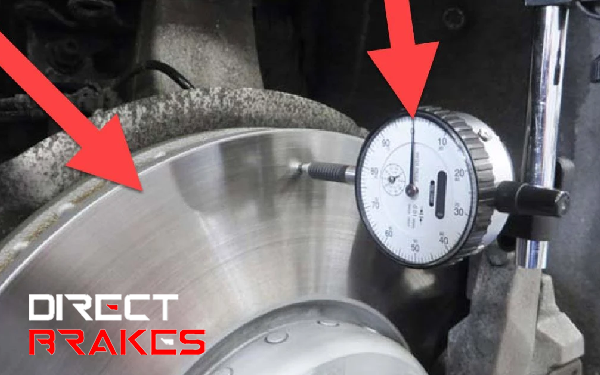
Warped rotors cause vibration and pulsation when braking, which can produce squealing or groaning sounds. Warping happens from overheating, uneven lug nut torque, or simply wear over time. You will typically feel the brake pedal pulsing under your foot.
What to do: Warped rotors need to be replaced or resurfaced (if they have enough thickness remaining). Continuing to drive will cause uneven pad wear and reduced braking effectiveness.
Urgency: 1 to 2 weeks
Repair cost: $300 to $550 per axle
Safety risk: Moderate
6
! Low Quality Brake Pads
Cheap, low-quality brake pads often squeal from day one because they use inferior friction materials. Some economy pads contain metal chunks that scrape against rotors, or have poor dust suppression that leads to noise. You often get what you pay for with brake pads.
What to do: If new pads squeal after the break-in period (first 100 to 200 miles), consider replacing them with quality ceramic pads. The extra $30 to $50 is worth it for quiet, long-lasting brakes.
Urgency: When convenient
Repair cost: $180 to $250 per axle
Safety risk: Low to moderate
7
! Missing Anti-Rattle Hardware
Brake pads are held in place by springs, clips, and shims that prevent vibration and noise. If these components are missing, damaged, or improperly installed, the pads can rattle and squeal. This is a common issue after a DIY brake job or with some budget shops.
What to do: Have the brake hardware inspected and replaced if needed. A hardware kit costs $20 to $40 and takes minimal time to install.
Urgency: When convenient
Repair cost: $50 to $100
Safety risk: Low
8
i New Brake Break-In Period
Brand new brake pads often squeal for the first 100 to 200 miles as they bed in to the rotors. This is completely normal. The pad material needs to transfer a thin layer onto the rotor surface, and this process can create temporary noise.
What to do: Nothing. Continue driving normally. The squeal should disappear after a few days of regular driving. If it persists beyond 300 miles, the pads may not have been properly bedded in or may be low quality.
Urgency: None
Repair cost: $0
Safety risk: None
9
i Brake Dust Buildup
As brake pads wear, they shed tiny particles that can accumulate on the rotor and pad surfaces. This dust can cause intermittent squealing, especially in dry, dusty conditions or after the car has been sitting unused.
What to do: A few firm stops from moderate speed can clear dust buildup. If squealing persists, having the brakes cleaned with brake cleaner during your next service will help. Ceramic pads produce less dust than semi-metallic.
Urgency: None
Repair cost: $0 to $50
Safety risk: None
10
i Morning Moisture or Light Rust
Overnight moisture or morning dew causes a thin layer of rust to form on brake rotors. This is especially common in humid climates. When you first apply the brakes, you may hear squealing or feel slight roughness as the rust is scraped off.
What to do: Absolutely nothing. This is completely normal and harmless. The rust is cleaned off within the first few brake applications. If your car sits unused for extended periods, you may hear more pronounced noise initially.
Urgency: None
Repair cost: $0
Safety risk: None
How to Diagnose Your Brake Squeal
Use these questions to narrow down the cause:
When does it happen? Morning only (moisture), all the time (worn pads), or during hard braking (glazing)?
How long has it been going on? Started suddenly (debris, damage) or gradually getting worse (wear)?
Any other symptoms? Vibration (warped rotors), pulling to one side (stuck caliper), burning smell (overheating)?
When were your brakes last serviced? Over 30,000 miles ago suggests wear is likely.
Were cheap parts used last time? Economy pads are a common cause of squealing.
Get Expert Diagnosis
Still not sure what is causing your brake noise? We offer free brake inspections with every service.
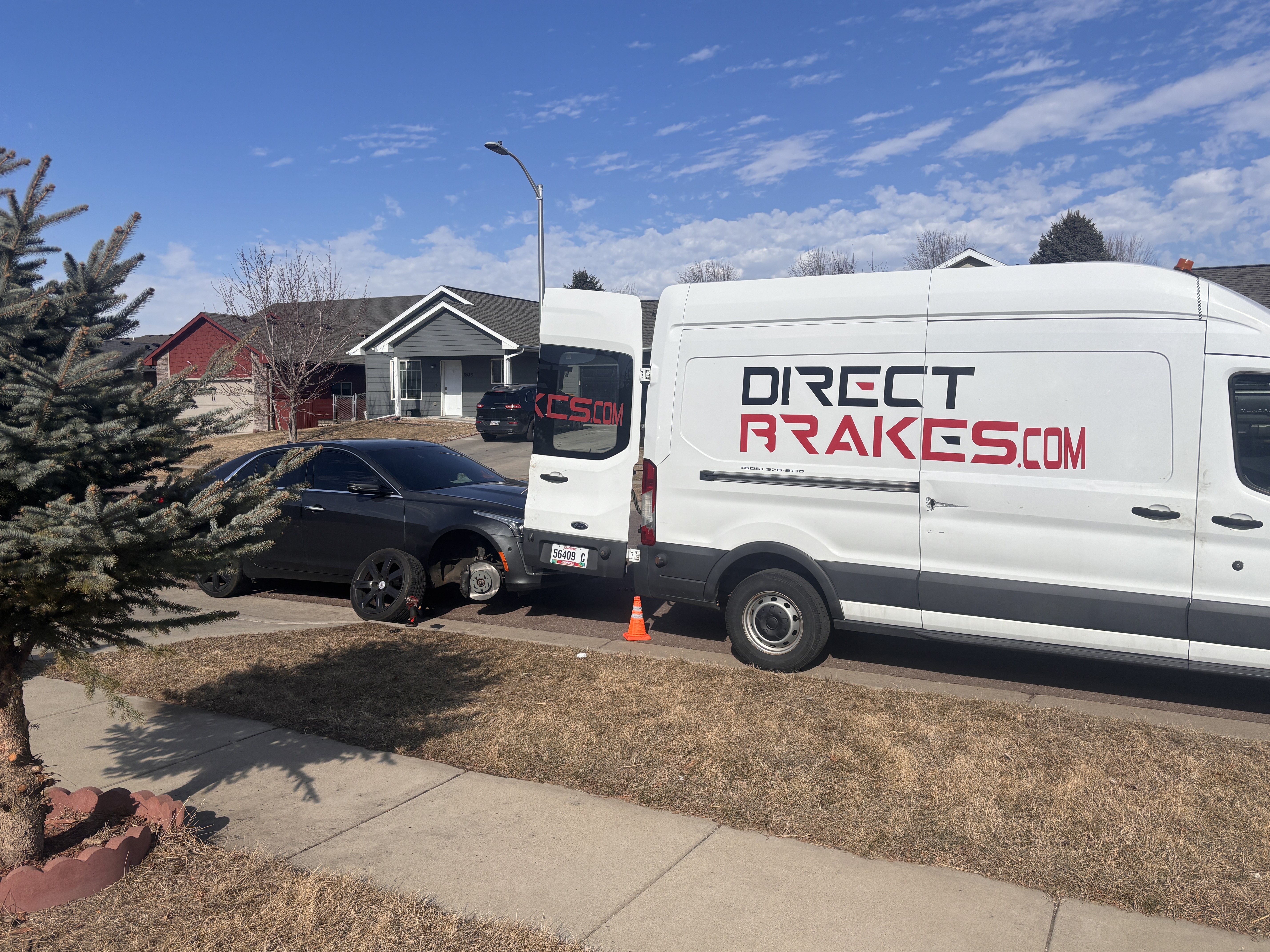
If your brakes are squealing consistently, the most common fix is new brake pads. Direct Brakes offers mobile brake pad replacement in Sioux Falls and Omaha. We come to your home or work, inspect the entire brake system, and replace worn pads on the spot.
Every brake job includes a 12-month, 12,000-mile warranty. No trip to the shop, no waiting rooms, and no surprise charges.
Frequently Asked Questions
Brakes often squeal in the morning due to overnight moisture or light rust forming on the rotors. This is normal and should stop after a few brake applications as the moisture burns off. If squealing continues after driving for several minutes, you may have a different issue.
Light squeaking from dust or moisture is safe for short-term driving. However, constant squealing from the wear indicator means pads are low and need replacement soon. Grinding noises indicate metal-on-metal contact and are not safe. Stop driving and get service immediately if you hear grinding.
Yes, new brakes can squeal for the first 100 to 200 miles during the break-in period. This is normal as the pads and rotors mate together. If squealing continues beyond 300 miles, the pads may not have been properly bedded in or may be low quality.
Brakes squealing at low speed often indicate worn pads where the wear indicator is contacting the rotor, or glazed pads and rotors from overheating. Low-speed squealing is more noticeable because there is less road noise to mask the sound.
Brake cleaner can temporarily stop squeaking caused by dust or debris buildup. However, it will not fix squeaking from worn pads, glazed rotors, or cheap brake components. If squeaking returns quickly after cleaning, you need brake service to address the root cause.
Fixing squeaky brakes costs $0 for moisture-related issues, $50 to $100 for cleaning and lubrication, $180 to $250 for pad replacement, or $350 to $550 for pads and rotors. The cost depends on what is causing the squeal.
Skip the shop. We come to you, replace your brakes on the spot, and save you 20 to 30 percent. No trip fees, no hidden charges, just honest pricing with a 12-month warranty.