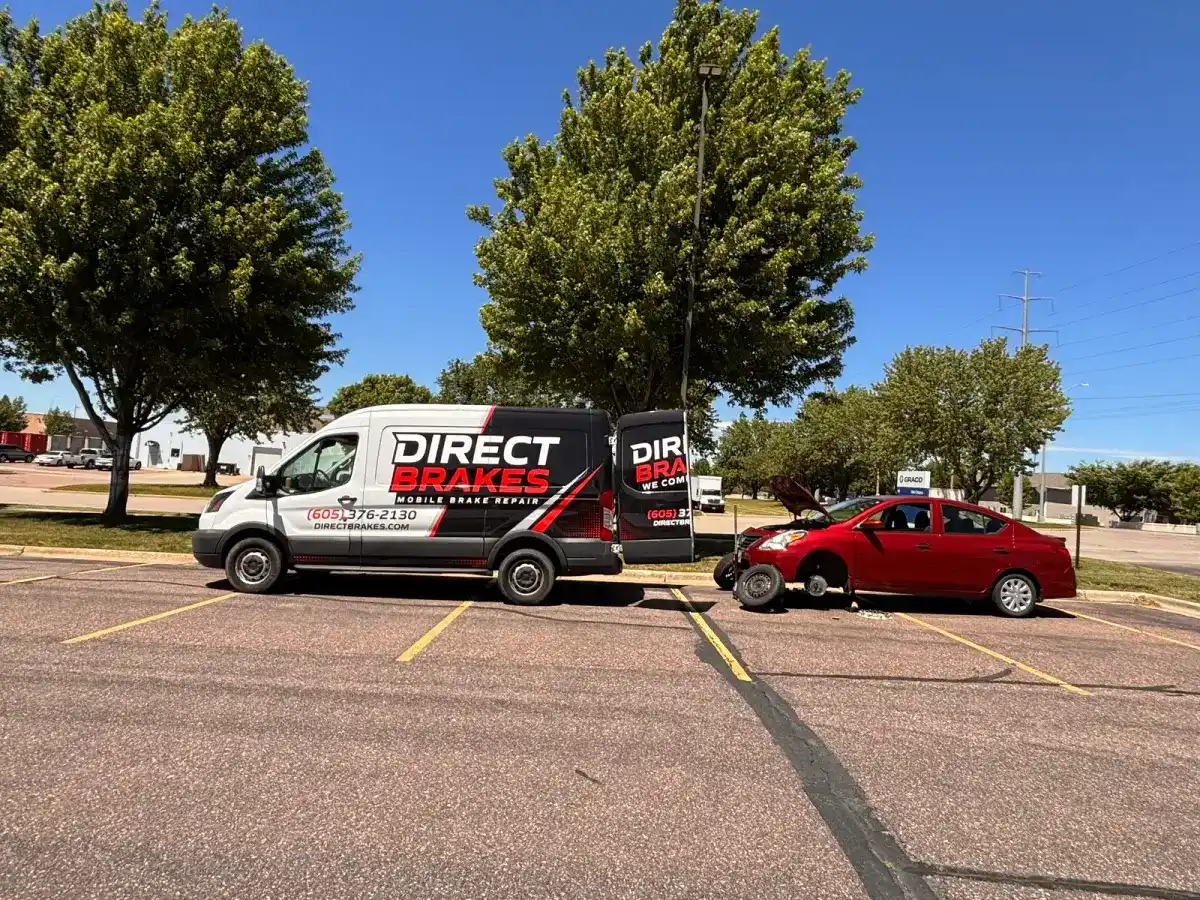
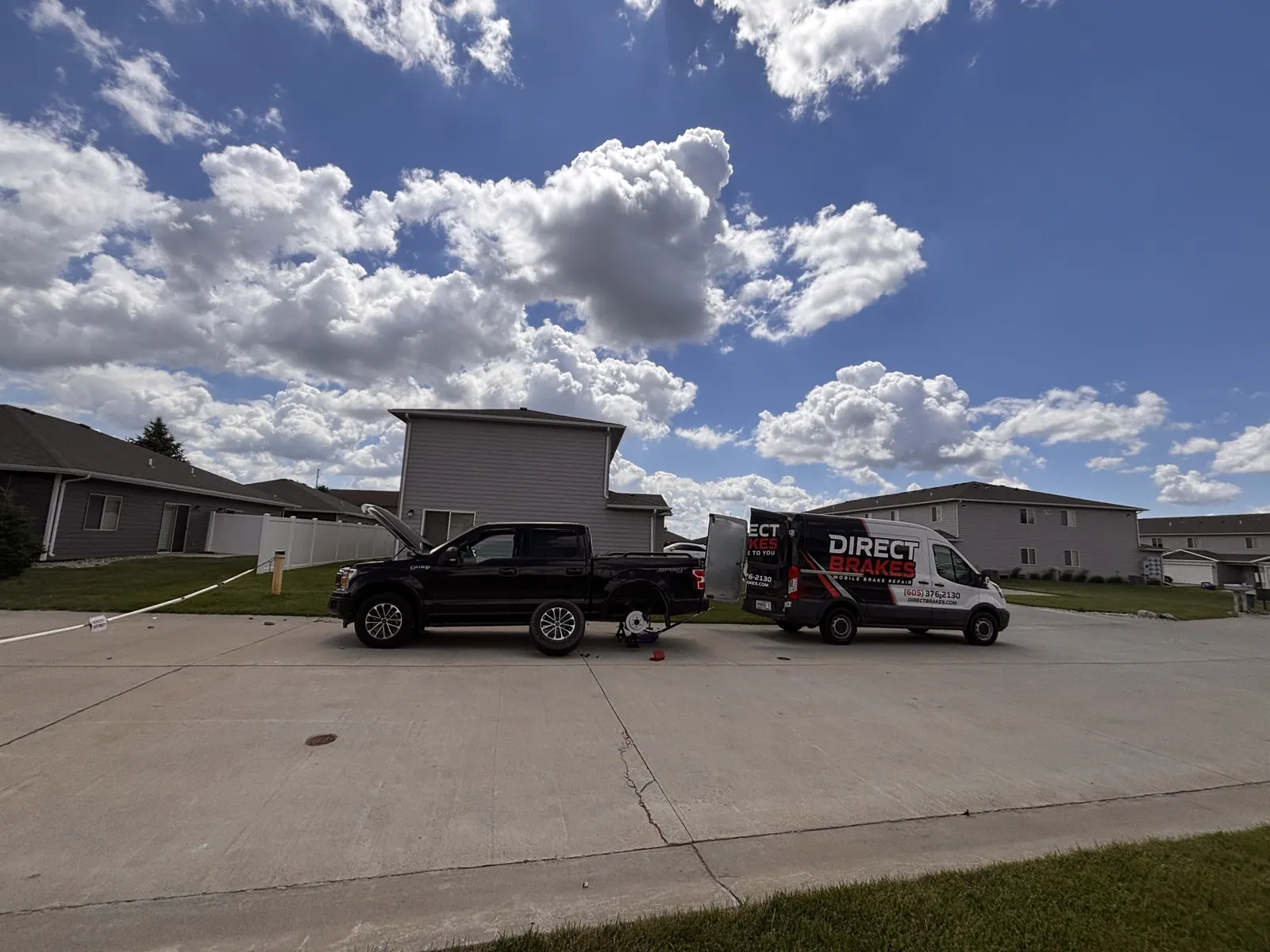
We Know EV
Lift Points
- Correct jack pads for battery clearance
- Lift points for Model 3, Y, S, and X
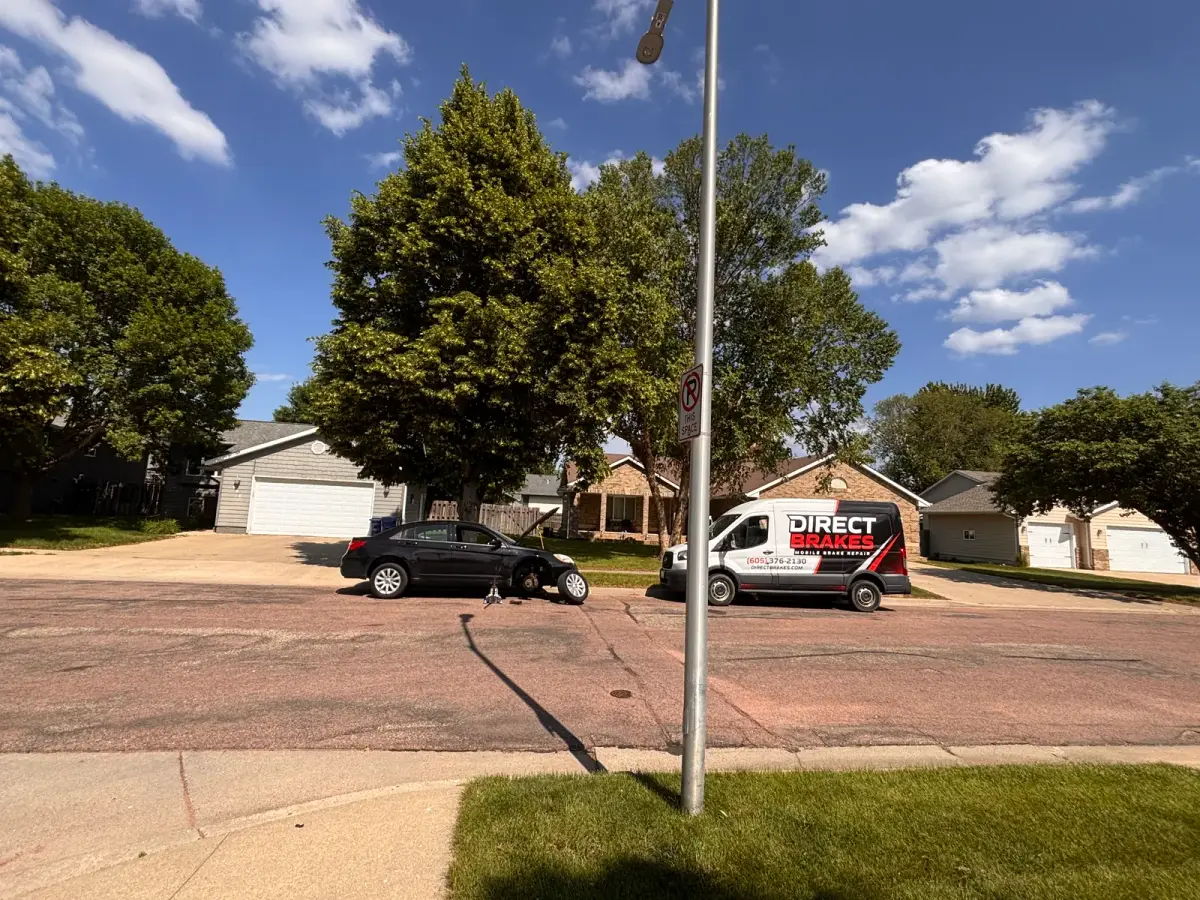
- Service at your home or office
- 45 to 90 minute turnaround
What we do on Teslas and EVs
Rotor rust removal
Regenerative braking leaves rotors unused. We replace pitted, rusted rotors before they score your pads.
Seized caliper service
Calipers that never engage seize over time. We free slide pins and rebuild or replace stuck units.
Glazed pad replacement
Pads that rarely touch the rotor glaze over and lose friction. New pads restore stopping power.
Brake fluid flush
Fluid absorbs moisture even when the brakes sit idle. Fresh DOT 4 protects the ABS and motors.
Safe lift procedures
We use correct jack pads at Tesla lift points. No crushed battery packs, no voided warranties.
Free inspection
Rotor surface, caliper movement, and pad condition checked before any work begins.
Why an EV with new-looking pads still needs brake service
Regenerative braking is the reason you bought an EV. The motor slows the car and sends energy back to the battery. Brilliant for efficiency, but it means the friction brakes barely get used. Your pads can look factory-fresh at 60,000 miles while the rotors rust from sitting in South Dakota humidity and salt.
Calipers suffer too. The pistons and slide pins are meant to move every time you stop. When they sit for months without engaging, corrosion forms and they seize. A seized caliper drags, wastes range, and cooks the pad on that corner. We free the slides, lubricate correctly, and replace units that cannot be saved.
The battery pack sits under the floor. Lifting an EV in the wrong spot can crack the enclosure or damage cells. We use pucks at the manufacturer's designated lift points for Model 3, Model Y, Model S, and Model X. Your battery stays undamaged and your warranty stays intact.
How it works
Get your estimate
Select Tesla or your EV make. Real pricing in about a minute—no phone call required.
Pick a time and place
Your driveway, office garage, or apartment complex. We come to you with the correct lift pads.
Pay when it's done
Card, cash, or Zelle. Everything backed by our 12-month warranty.
What Sioux Falls Drivers Are Saying
260+ five-star Google reviews and counting.
Had my Model Y brakes serviced in the driveway. My rotors were rusting and nobody else would touch it. These guys knew exactly what to do.
Best service, don't have to wait like the big companies and have the best price. Finally, someone that makes this in Sioux Falls!
Honest and upfront. Told me my rotors were still good and only charged for the pads. That kind of integrity is hard to find these days.
Had my brakes done at work during lunch. No waiting room, no hassle. Way cheaper than the dealer quoted me. Will use again.
Called about grinding brakes on a Saturday. He came out within two hours and fixed it in my driveway. Excellent service and fair price.
Third time using Direct Brakes. Brakes twice and an oil change. Always professional, always on time, always a fair price. Highly recommend!
Models we service
Rivian, Ford Lightning, Chevy Bolt, Hyundai Ioniq, Kia EV6, and Nissan Leaf too.
Service area: Sioux Falls, Brandon, Harrisburg and Tea.
Questions
Why does my Tesla need brake work when the pads still look new?
Do EVs still need brake fluid flushes?
Can you safely lift a Tesla without damaging the battery?
My rotors have a rust ring even after driving. Is that normal?
While we're at your car
Other services we can handle during your visit